Melbourne, Australia: The Ultimate Travel Guide for First-Time Visitors
Melbourne, Australia, is a fantastic destination for travelers who want…
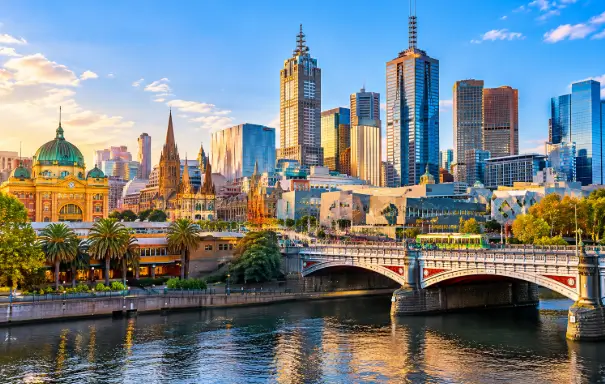
Melbourne, Australia, is a fantastic destination for travelers who want to experience a vibrant city filled with culture, excellent food, fascinating architecture, beautiful parks, and unforgettable day trips. Located in the state of Victoria, Melbourne combines a modern urban lifestyle with historic neighborhoods, a celebrated coffee culture, lively markets, and easy access to some of Australia’s most impressive coastal landscapes.
Whether you are planning your first visit to Australia, organizing a city break, or looking for a destination that combines sightseeing with outdoor adventures, Melbourne offers plenty of options for different budgets and travel styles.
The city is particularly appealing to independent travelers because many attractions are accessible by public transport, several central sights can be explored on foot, and visitors can choose between free activities and premium experiences.
In this guide, you will discover the best things to do in Melbourne, when to visit, where to stay, how to get around, what a trip might cost, and how to plan an enjoyable visit without unnecessary expenses.
Melbourne at a Glance

Location: Victoria, southeastern Australia
Currency: Australian dollar (AUD)
Language: English
Time zone: Australian Eastern time; daylight saving applies seasonally
Recommended stay: 3–5 days for the city, or 5–7 days with day trips
Best for: Food, culture, shopping, sports, art, and coastal excursions
Why Visit Melbourne?
Melbourne has a different character from Australia’s beach-focused destinations. Instead of planning your entire holiday around the coastline, you can spend your mornings exploring cafés and laneways, your afternoons visiting galleries or gardens, and your evenings enjoying restaurants, live entertainment, or sporting events.
Here are some of the main reasons to visit.
- A renowned coffee and food scene: Discover independent cafés, international cuisines, bakeries, and restaurants throughout the city.
- Art and culture: Explore street art, museums, historic buildings, galleries, and performance venues.
- Free city attractions: Walk through central laneways, visit public gardens, and enjoy riverfront views without paying for every activity.
- Excellent day trips: The Great Ocean Road, Phillip Island, and the Yarra Valley offer different ways to explore Victoria.
- Public transportation: Trams, trains, and buses make it possible to explore without hiring a car for your entire stay.
Melbourne is also a useful starting point for a longer Australian itinerary, especially if you plan to combine city sightseeing with nature and coastal scenery.
Best Things to Do in Melbourne, Australia

1. Explore Melbourne’s Laneways and Street Art
Melbourne’s narrow laneways are among the city’s most recognizable attractions. These pedestrian streets feature colorful murals, independent shops, small cafés, and hidden dining spots.
Start with Hosier Lane, close to Federation Square and Flinders Street Station. Wander through nearby streets to discover changing street art and different architectural styles.
Allow one to two hours for a relaxed walk, especially if you enjoy photography.
Travel tip: Visit in the morning for a quieter experience, and remember that street art changes over time. Not every mural will remain in place.
Image alt text: Colorful street art murals along Hosier Lane in Melbourne, Australia.
2. Visit Federation Square and Flinders Street Station
Federation Square is a central meeting point for visitors, with cultural venues, public spaces, and access to the Yarra River area. Nearby, Flinders Street Station is one of Melbourne’s best-known landmarks.
These attractions are easy to combine with a walking tour of the central business district (CBD).
You can enjoy the architecture, take photographs, explore the surrounding streets, and continue toward the riverfront without paying an admission fee for the public areas.
3. Walk Along the Yarra River and Southbank

Southbank offers riverside walking paths, restaurants, cafés, and views of Melbourne’s skyline. It is particularly attractive in the late afternoon, when the light changes over the river and the city’s buildings begin to illuminate.
For a budget-friendly outing, walk along the promenade, cross one of the bridges, and enjoy the views from both sides of the river.
Travelers looking for a more special evening can compare river cruises or book a restaurant overlooking the water. Check the total price before booking, including any service charges or minimum-spend requirements.
4. Relax at the Royal Botanic Gardens Victoria
The Royal Botanic Gardens Victoria’s Melbourne Gardens provide a peaceful break from the busy city center. Visitors can explore landscaped gardens, lakes, lawns, and plant collections.
It is an excellent choice for couples, families, solo travelers, and anyone who wants a slower-paced activity between sightseeing stops.
Entry to the gardens is generally free, although some special events or experiences may require tickets. Bring drinking water, comfortable walking shoes, and sun protection during warmer months.
5. Discover Queen Victoria Market
Queen Victoria Market is a historic market where visitors can browse food stalls, fresh produce, specialty products, and souvenirs.
It is also a useful place to find casual meals rather than eating at restaurants for every meal.
Before visiting, check the official market calendar because opening days and hours vary. Allow approximately one to two hours if you want to explore the stalls and stop for a snack.
6. Visit Museums and Cultural Attractions
Melbourne has several options for travelers interested in art, history, design, and Australian culture.
Consider the following:
- National Gallery of Victoria: Explore art collections and exhibitions. Check current exhibition and admission details before visiting.
- Melbourne Museum: Learn about natural history, science, and Victoria’s cultural heritage.
- Australian Centre for the Moving Image (ACMI): Discover exhibitions about film, television, digital culture, and screen storytelling.
Some permanent collections or public spaces may be free, while special exhibitions and selected experiences require tickets. Verify the current conditions on each attraction’s official website.
7. Experience Melbourne’s Coffee and Food Culture
Food is a major part of the Melbourne experience. The city has a diverse dining scene influenced by communities from around the world, alongside a strong independent café culture.
Try a traditional Australian flat white, explore local bakeries, or visit neighborhoods known for international cuisine.
For an affordable approach, combine a café breakfast, a market lunch, and one restaurant dinner. If you have dietary requirements, check menus in advance and communicate any allergies directly to the restaurant.
8. Explore St Kilda

St Kilda offers a different atmosphere from the central business district, with a beach, waterfront walks, cafés, and entertainment venues.
Spend part of the day walking along the foreshore, enjoying the sea views, or exploring the surrounding streets. Conditions can be windy, and the water may be cold even when the city feels warm.
St Kilda is also a possible evening outing, but if you are hoping to see wildlife near the pier, check current access rules and avoid disturbing animals.
Best Day Trips From Melbourne
Melbourne is an excellent base for exploring Victoria beyond the city. If you have four or more days, consider adding one of these excursions.

1. Great Ocean Road and the Twelve Apostles
Best for coastal scenery
The Great Ocean Road is famous for dramatic cliffs, ocean viewpoints, coastal towns, and the Twelve Apostles limestone formations. It is a long excursion from Melbourne, so a guided day tour can be convenient if you do not want to drive.
Parks Victoria describes the Twelve Apostles area as roughly a 2-hour-45-minute drive from Melbourne under its route guidance, while broader tourism guidance gives approximately four hours along the Great Ocean Road. Allow extra time for stops and traffic.
Parcs Victoria
Planning tip: Check the official visitor website for current access and booking requirements before leaving. A mandatory booking system has been announced for the Twelve Apostles visitor precinct from October 16, 2026.
greatoceanroadauthority.vic.gov.au

2. Phillip Island
Best for wildlife
Phillip Island is known for its coastal landscapes and the Penguin Parade, where little penguins return to shore after spending time at sea.
It is a popular choice for families and wildlife enthusiasts. Because the main penguin viewing experience takes place around dusk, plan your return journey carefully.
Planning tip: Book official tickets in advance during busy periods, and follow all wildlife-viewing rules.

3. Yarra Valley
Best for countryside
The Yarra Valley offers vineyards, countryside scenery, food producers, and rural experiences within reach of Melbourne.
It suits travelers who prefer a relaxed day away from city streets. You can book a guided tour or arrange a self-drive visit, depending on your interests.
Planning tip: If you plan to visit wineries, organize transport in advance rather than driving after drinking.

4. Dandenong Ranges
Best for nature
The Dandenong Ranges provide forest walks, gardens, scenic villages, and a quieter atmosphere outside the city.
They are a good option for travelers who enjoy nature but do not want to commit to a full coastal road trip.
Planning tip: Check public transport connections, walking-track conditions, and weather before departure.
Best Time to Visit Melbourne

Melbourne has four distinct seasons, and its weather can change quickly. Spring and autumn are often attractive periods for sightseeing, although the best time depends on your priorities.
Visit Victoria home
| Season | Months | What to expect |
|---|---|---|
| Summer | December–February | Warm weather, outdoor events, and occasional heatwaves |
| Autumn | March–May | Generally comfortable conditions and changing foliage |
| Winter | June–August | Cooler temperatures, rainy periods, and indoor cultural activities |
| Spring | September–November | Warmer days, gardens in bloom, and changeable weather |
My recommendation: Consider March to May or September to November if you want to balance outdoor sightseeing with comfortable walking conditions. This is a general seasonal recommendation, not a guarantee of good weather.
Pack layers, a lightweight waterproof jacket, and comfortable shoes regardless of the season. Check the forecast shortly before your trip.
Where to Stay in Melbourne
Choosing the right neighborhood can make your trip easier, particularly if you are visiting for only a few days. Instead of selecting accommodation based on price alone, compare its location, transport connections, cancellation conditions, and total cost.

Melbourne CBD — Best for first-time visitors
The central business district puts you close to major attractions, shopping streets, restaurants, and public transport. It is a practical base for a short city break.
Look for: centrally located hotels, budget accommodation, and serviced apartments.

Southbank — Best for couples and city views
Southbank offers riverside scenery, dining options, and access to cultural attractions. Compare walking distances to the CBD, as some accommodation is outside the free tram area.
Look for: apartment hotels, riverside properties, and upscale accommodation.

Fitzroy — Best for cafés and local character
Fitzroy is known for independent shops, creative spaces, cafés, and nightlife. It suits travelers who want to explore beyond the main tourist streets.
Look for: boutique accommodation and smaller guesthouses.

St Kilda — Best for beachside stays
St Kilda provides a relaxed coastal atmosphere, beach walks, cafés, and entertainment. It is farther from many central attractions, so check the transport journey before booking.
Look for: hostels, budget hotels, and beachside accommodation.
How to choose accommodation for your budget
Accommodation prices vary with the season, major events, room type, and booking conditions. Rather than relying on a fixed nightly price, compare live rates for your dates.
- Budget travelers: Compare hostel dormitories and simple private rooms.
- Mid-range travelers: Look for centrally located hotels or serviced apartments with good transport access.
- Families and groups: Compare apartment-style accommodation with kitchen and laundry facilities.
- Luxury travelers: Consider premium hotels in the CBD or Southbank.
For TripVistly readers, a natural next step is to compare available properties through a reputable hotel-booking partner. Review the final price, taxes, cancellation policy, location, and guest feedback before booking.
Find your Melbourne stay
Compare accommodation for your travel dates, budget, and preferred neighborhood. Flexible cancellation may be valuable if your plans are not yet confirmed. Compare Melbourne hotels
Affiliate note for publishers: replace this with your approved tracked booking link if you participate in a relevant affiliate program. A booking is not guaranteed, and availability and rates change.
How to Get Around Melbourne
Melbourne has an extensive public transport network of trams, trains, and buses.
Use the Free Tram Zone
The Free Tram Zone covers much of central Melbourne, making it useful for reaching several CBD attractions without purchasing a ticket for those tram journeys. The free zone does not cover every tram route or the entire metropolitan area.
Transport Victoria
If your journey starts or finishes outside the free zone, follow the applicable ticketing rules.
Understand myki and current fares
Melbourne uses the myki ticketing system for many train, tram, and bus journeys. Some routes and services have different ticketing arrangements, so check the official Transport Victoria guidance before traveling.
As of October 2026, Victoria’s published transport information states that public transport fares are half price until January 1, 2027. The listed metropolitan daily fare caps are AUD $5.70 on weekdays and AUD $4.00 on weekends for full-fare travelers during this period. These figures may change after the discount ends.
Visitors to Victoria – Transport Victoria
Check the latest details at Transport Victoria before budgeting for transport.
Getting from Melbourne Airport to the city
Melbourne Airport, also called Tullamarine Airport, is connected to the city by airport buses, taxis, rideshare services, and private transfers.
SkyBus Melbourne City Express operates between the airport and Southern Cross Station. Its published schedule runs from approximately 4 a.m. to 1 a.m. daily. Check its current timetable and ticket price before departure.
Buy Melbourne City Express tickets
Choose your transfer based on your arrival time, luggage, accommodation location, and group size. A shared bus can be practical for solo travelers, while a private transfer may suit families or groups arriving late.
How Much Does a Trip to Melbourne Cost?
Your total budget depends on the season, accommodation, dining preferences, activities, and whether you take organized excursions.
The following figures are illustrative planning estimates in Australian dollars (AUD), not verified live prices. They exclude international flights and should be checked against current bookings.
| Expense | Budget planning estimate |
|---|---|
| Hostel bed per night | AUD $40–$80 |
| Budget private room per night | AUD $100–$180 |
| Mid-range hotel per night | AUD $180–$320 |
| Casual meal | AUD $15–$30 |
| Café coffee | AUD $4–$7 |
| Local transport per day | AUD $0–$6, depending on journeys and eligibility |
| Paid attraction | AUD $20–$50 |
| Organized day trip | AUD $100–$250 |
Accommodation estimates can be higher during major sporting events, holidays, and peak travel periods. Transport costs also depend on your routes and the fare rules in effect.
Example budget for three days
For a solo traveler staying three nights, eating a mixture of inexpensive and casual meals, and visiting a combination of free and paid attractions, a rough budget might be:
- Accommodation: AUD $120–$240 per night × 3 = $360–$720.
- Food and drinks: AUD $45–$75 per day × 3 = $135–$225.
- Transport: approximately $10–$30 total, depending on journeys.
- Activities: approximately $30–$100 total.
Illustrative three-day total: AUD $535–$1,075, excluding flights, airport transfers, shopping, insurance, and day trips.
Use this as a starting point rather than a quotation. Compare actual accommodation rates and current attraction prices before setting your budget.
Suggested 3-Day Melbourne Itinerary
Day 1: Discover the city center

- Morning: Visit Flinders Street Station and Federation Square.
- Afternoon: Explore Hosier Lane, nearby laneways, and Queen Victoria Market if open.
- Evening: Walk along the Yarra River and have dinner in the CBD or Southbank.
Day 2: Gardens, culture, and the coast
- Morning: Explore the Royal Botanic Gardens.
- Afternoon: Visit a museum or gallery, depending on your interests.
- Evening: Head to St Kilda for a waterfront walk and dinner.
Day 3: Choose a day trip or local neighborhoods

- Option A: Join a full-day Great Ocean Road tour.
- Option B: Explore Fitzroy and Carlton, visit local cafés, and enjoy a more relaxed city day.
- Option C: Visit Phillip Island if wildlife is a priority and you are comfortable with a longer day.
If you choose the Great Ocean Road, remember that it is a long excursion. Consider a fourth day in Melbourne if you prefer not to combine an early start with a late return.
Practical Travel Tips for Melbourne
Check entry requirements before departure
Australian entry requirements depend on your passport, nationality, and travel purpose. Check the Australian Department of Home Affairs website to determine which visa or travel authorization you need. Do not assume that a valid passport alone is sufficient.
Prepare for changeable weather
Carry layers, a compact rain jacket, and comfortable walking shoes. Check the forecast before coastal trips, especially when strong winds or poor weather could affect your plans.
Book accommodation around major events
Melbourne hosts major sporting and cultural events that can increase demand for hotels. Check the event calendar before choosing your dates, particularly if you want to attend the Australian Open, Formula 1 Australian Grand Prix, or major football matches.
Use travel insurance
Consider travel insurance that covers medical emergencies, trip interruptions, baggage, and activities relevant to your itinerary. Review exclusions and coverage limits before purchasing a policy.
Plan day trips realistically
Distances can be deceptive on a map. Coastal drives, wildlife visits, and countryside excursions may require several hours of travel each way. Check road conditions, tour departure points, and return times in advance.
Frequently Asked Questions About Melbourne, Australia
Is Melbourne worth visiting for the first time?
Yes. Melbourne is a strong choice for first-time visitors who enjoy food, art, architecture, shopping, and outdoor activities. Its central attractions are relatively easy to combine into a short itinerary, and the city also offers access to distinctive regional destinations.
How many days do you need in Melbourne?
Three days is a good starting point for the main city attractions. Four to five days gives you more time to explore different neighborhoods or take a day trip. Allow additional time if you want to visit both the Great Ocean Road and Phillip Island.
What is the best month to visit Melbourne?
March, April, October, and November can be attractive months for sightseeing, although conditions vary. Autumn and spring generally offer a useful balance of outdoor activities and moderate temperatures. Check the weather forecast before your visit.
Is Melbourne expensive for tourists?
Melbourne can be expensive, particularly when accommodation demand is high. However, you can reduce costs by staying near public transport, enjoying free attractions, eating at markets, and booking accommodation in advance.
Is public transport easy to use in Melbourne?
Yes. Trams, trains, and buses connect many popular areas. The Free Tram Zone is especially useful for exploring central Melbourne, while myki or other accepted ticketing methods are needed for applicable journeys outside the free zone.
What is Melbourne famous for?
Melbourne is known for its coffee culture, restaurants, street art, cultural institutions, sporting events, laneways, and distinctive neighborhoods. It is also a convenient base for exploring Victoria’s coastline and countryside.
Can you visit the Great Ocean Road from Melbourne in one day?
Yes, a day trip is possible, particularly with an organized tour. However, the drive is long, and there are many worthwhile stops. An overnight stay in the region is worth considering if you want to explore at a slower pace.
Where is the best area to stay in Melbourne?
The CBD is a practical choice for first-time visitors because of its central location. Southbank suits travelers interested in riverside dining and city views, Fitzroy appeals to those who enjoy creative neighborhoods, and St Kilda is a good option for a beachside atmosphere.
Final Thoughts: Is Melbourne a Good Travel Destination?
Melbourne, Australia, offers a rewarding mix of urban culture, food, art, outdoor spaces, and access to spectacular natural scenery. You can spend several days exploring the city’s laneways and gardens, enjoy its cafés and restaurants, and then venture farther afield for coastal landscapes and wildlife.
For a first visit, plan three to five days, choose accommodation with convenient transport connections, and leave some flexibility in your schedule for Melbourne’s unpredictable weather.
Before finalizing your itinerary, compare accommodation options, check current transport fares, and verify opening times and booking requirements for major attractions.
crochetcrafts.org/ readers can use this guide as a starting point for planning their trip and comparing accommodation and excursions that suit their interests and budget.