10 Stunning European Summer Getaways to Add to Your Travel Bucket List
Europe in summer is a dream for many travelers. Imagine…
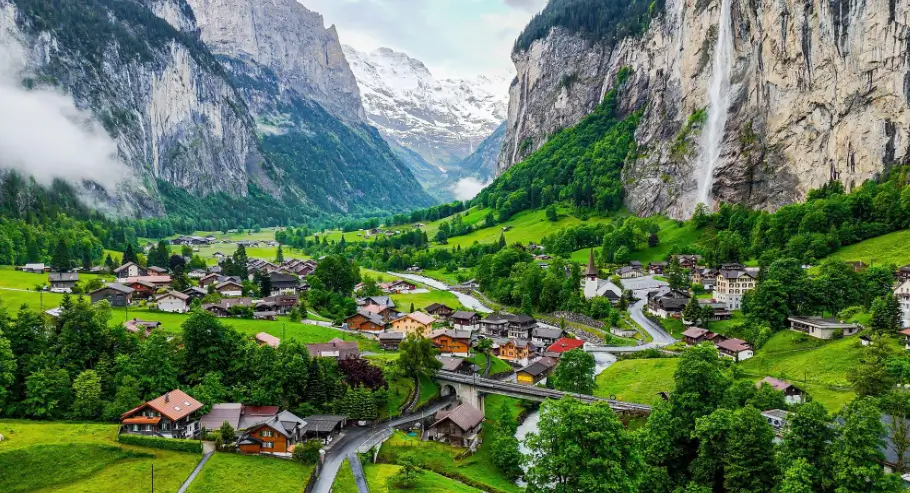
Europe in summer is a dream for many travelers. Imagine swimming in turquoise Mediterranean waters, exploring medieval towns, enjoying long evenings at outdoor cafés, and discovering mountain villages surrounded by spectacular scenery. From the sun-soaked Greek islands to the dramatic coastlines of Portugal and the peaceful lakes of Slovenia, Europe offers a summer escape for almost every travel style and budget.
The challenge is deciding where to go. Some destinations are perfect for beach lovers, while others appeal to couples, families, solo travelers, and adventurers looking for outdoor experiences. Your choice also affects your budget, accommodation options, transportation, and how far in advance you should book.
In this guide, we explore 10 stunning European summer getaways worth adding to your travel list. You’ll discover what makes each destination special, the best things to do, practical travel tips, and accommodation strategies to help you plan a memorable trip without unnecessary expenses.
Whether you’re planning your first European holiday or searching for inspiration for your next adventure, these destinations are excellent places to start.
1. Santorini, Greece: A Classic Mediterranean Escape

Santorini is one of Europe’s most recognizable summer destinations, famous for its whitewashed buildings, blue-domed churches, volcanic landscapes, and spectacular views over the Aegean Sea. The island is particularly popular with couples, photographers, and travelers seeking a romantic Mediterranean getaway.
Best things to do
- Explore Oia: Wander through narrow streets and admire the island’s iconic architecture.
- Visit Fira: Enjoy caldera views, restaurants, shops, and access to boat excursions.
- Relax on volcanic beaches: Visit Perissa or Kamari for dark volcanic sand and seaside dining.
- Take a boat trip: Discover the volcanic caldera and nearby hot springs on an organized excursion.
When to visit
June and September are excellent alternatives to the busiest weeks of July and August. The weather is generally warm and sunny during summer, although strong winds and occasional heatwaves are possible.
Where to stay
Choose Oia or Imerovigli for scenic views and a romantic atmosphere. Fira is a practical base for public transport, restaurants, and nightlife. For a more budget-conscious stay, consider accommodation away from the main caldera viewpoints.
Travel tip: Santorini can become expensive in peak summer. Reserve accommodation early, compare locations carefully, and check whether your room includes the views shown in its listing.
2. The Algarve, Portugal: Golden Beaches and Coastal Adventures

Portugal’s Algarve region is a wonderful choice for travelers who want dramatic beaches, picturesque fishing towns, and relaxed seaside dining. Located in southern Portugal, it combines rugged limestone cliffs with sandy beaches, sea caves, and charming coastal communities.
Best things to do
- Visit Praia da Marinha to admire its striking rock formations and clear water.
- Explore Lagos and its historic center.
- Take a boat trip along the cliffs around Ponta da Piedade.
- Try fresh seafood at a local restaurant.
- Enjoy surfing, kayaking, or coastal walks, depending on conditions.
When to visit
June and September generally offer a good balance of warm weather and fewer crowds than the peak holiday period. July and August are particularly busy, especially in popular resort towns.
Where to stay
Lagos is a good all-round base for beaches, restaurants, and excursions. Albufeira suits travelers looking for a lively resort atmosphere, while Tavira offers a quieter setting with traditional Portuguese character.
Travel tip: You can explore many towns by regional train or bus, but a rental car provides greater flexibility for visiting less accessible beaches. Check parking rules and seasonal access restrictions before driving to popular coastal sites.
3. Dubrovnik, Croatia: A Beautiful Historic Coastal City

Dubrovnik combines historic architecture with beautiful Adriatic coastline views. Its medieval walls, terracotta rooftops, limestone streets, and nearby islands make it one of the most photogenic destinations in southeastern Europe.
It’s a strong option for travelers who want to combine cultural sightseeing with swimming, boat trips, and waterfront dining.
Best things to do
- Walk along Dubrovnik’s historic city walls, checking opening times and ticket requirements.
- Explore the Old Town’s narrow streets and historic landmarks.
- Take a boat excursion to Lokrum Island.
- Swim at accessible coastal spots around the city.
- Ride the cable car, if operating, for panoramic views over the rooftops and sea.
When to visit
June and September are often attractive months for sightseeing and beach time. July and August bring high demand and can be very hot, with crowded streets during peak visitor hours.
Where to stay
Staying in or near the Old Town is convenient for sightseeing but may be expensive. Lapad is worth considering for beach access, a residential atmosphere, and a wider range of accommodation styles.
Travel tip: Explore the Old Town early in the morning or later in the afternoon. If you’re visiting several Croatian destinations, compare ferry schedules and connections before choosing your hotel dates.
4. Lake Bled, Slovenia: A Fairytale Summer Retreat

If you prefer mountain scenery, freshwater swimming, and peaceful surroundings to busy beach resorts, Lake Bled is an excellent European summer getaway. Located in northwestern Slovenia, this picturesque lake is famous for its small island church, medieval castle overlooking the water, and the Julian Alps in the distance.
Slovenia is also a practical option for travelers who want to combine nature with a manageable road trip.
Best things to do
- Walk or cycle around Lake Bled’s lakeside paths.
- Visit Bled Castle for panoramic views.
- Take a traditional pletna boat to the island, subject to operating conditions.
- Try the local cream cake known as kremšnita.
- Visit nearby Lake Bohinj for a quieter outdoor experience.
When to visit
June through September is popular for hiking, cycling, and lakeside activities. Summer weather can change quickly in the mountains, so check forecasts before planning longer hikes.
Where to stay
Bled town is convenient for restaurants, transport, and lake access. Travelers looking for a quieter nature-focused holiday can investigate accommodation around Bohinj, where access to outdoor activities is a major attraction.
Travel tip: Book accommodation early for July and August. Consider visiting both lakes rather than spending your entire holiday in one location.
5. The Amalfi Coast, Italy: Colorful Villages and Coastal Views

The Amalfi Coast is one of Italy’s most beautiful coastal regions, with colorful villages perched above the Mediterranean, terraced gardens, winding roads, and restaurants overlooking the water.
Positano and Amalfi are particularly famous, while Ravello offers a quieter hilltop setting with spectacular views.
Best things to do
- Wander through Positano’s steep streets and browse its local shops.
- Explore Amalfi’s historic center and cathedral.
- Visit Ravello’s gardens and panoramic viewpoints.
- Take a coastal boat excursion when sea conditions permit.
- Enjoy Italian seafood, fresh pasta, and regional specialties.
When to visit
June and September are attractive choices for warm weather and coastal activities. July and August are usually the busiest months, and the combination of heat, traffic, and high accommodation demand can make travel challenging.
Where to stay
Positano is ideal for travelers seeking an iconic coastal atmosphere, while Amalfi can be a practical base for boat and bus connections. Sorrento, although outside the Amalfi Coast itself, is another useful base for exploring the wider region.
How to make the trip easier
The roads are narrow and often congested. Instead of renting a car for the entire stay, compare public buses, ferries, and organized excursions. Ferry services can be seasonal and weather-dependent, so keep alternative transport options in mind.
Travel tip: If you want to experience the region without rushing, plan at least three nights. A longer stay allows time for beach visits, village exploration, and a relaxed day without a packed itinerary.
6. Mallorca, Spain: Beaches, Villages, and Island Adventures

Mallorca, the largest of Spain’s Balearic Islands, offers far more than beach resorts. You can spend the morning swimming in a turquoise cove, the afternoon exploring a historic village, and the evening enjoying tapas in Palma.
The island works particularly well for couples, families, groups of friends, and travelers who want a mix of relaxation and sightseeing.
Best things to do
- Explore Palma’s historic streets and admire its cathedral.
- Swim at Cala Llombards or another accessible coastal cove.
- Visit Valldemossa in the Serra de Tramuntana region.
- Discover scenic viewpoints around Cap de Formentor.
- Walk or cycle in the island’s mountainous interior.
When to visit
May, June, and September are appealing months for combining beach time with outdoor activities. July and August bring hotter weather and heavy demand at popular beaches.
Where to stay
Palma suits travelers interested in culture, dining, and convenient connections. Alcúdia is worth considering for families and beach access, while Sóller provides a scenic base for exploring the mountains and traditional villages.
Travel tip: Mallorca’s most popular coves can have limited parking and become crowded early. Check local access information, and consider visiting less famous beaches or traveling outside the busiest hours.
7. The Norwegian Fjords, Norway: Dramatic Nature and Cool Summer Days

Not every summer holiday needs hot weather and a sandy beach. Norway’s fjords offer a different experience: towering cliffs, deep blue waterways, waterfalls, mountain roads, and small villages surrounded by extraordinary scenery.
This destination is particularly appealing to photographers, road-trip enthusiasts, hikers, and travelers who prefer cooler temperatures.
Best things to do
- Take a fjord cruise to appreciate the scenery from the water.
- Visit the Geirangerfjord or explore the Nærøyfjord area.
- Hike on marked trails suitable for your experience level.
- Travel along scenic routes and stop at viewpoints.
- Discover local villages and sample Norwegian food.
When to visit
June through August generally offers the longest days and the widest range of seasonal transport and outdoor activities. Rain is possible throughout summer, so flexible plans are important.
Where to stay
Bergen is a convenient starting point for many western Norway itineraries. Smaller towns near the fjords can provide easier access to hiking and boat excursions, but accommodation options may be limited.
Budget considerations
Norway can be expensive compared with many southern and eastern European destinations. Accommodation, restaurant meals, transport, and organized activities can take up a significant portion of your budget.
To control costs, compare guesthouses and self-catering accommodation, shop at supermarkets, and research train, bus, and boat combinations before booking.
Travel tip: Check trail conditions and seasonal road closures before setting off. Mountain weather can change quickly, even during the height of summer.
8. The Greek Island of Crete: Beaches, History, and Local Food

Crete is an excellent alternative for travelers who want the atmosphere of the Greek islands with plenty of variety. Greece’s largest island combines sandy beaches, mountain landscapes, archaeological sites, traditional villages, and a rich food culture.
Its size makes it suitable for longer holidays, especially if you enjoy mixing beach days with cultural excursions.
Best things to do
- Explore Chania’s historic Venetian harbor.
- Visit the archaeological site of Knossos.
- Discover beaches such as Elafonissi and Balos, checking local access conditions.
- Sample Cretan dishes featuring olive oil, fresh vegetables, cheese, and seafood.
- Explore mountain villages and traditional markets.
When to visit
May, June, September, and early October can be excellent for combining sightseeing and outdoor activities. July and August are hotter and busier, particularly around major resorts.
Where to stay
Chania is a strong choice for travelers seeking historic streets, restaurants, and access to western Crete. Heraklion is practical for archaeology and eastern connections, while Rethymno combines a historic center with beach access.
Travel tip: Do not underestimate the island’s size. Choose a base that suits your itinerary or split a longer stay between western and central or eastern Crete. A rental car can be helpful for remote beaches and villages, but compare costs with organized excursions.
9. Prague, Czechia: Historic Charm and Summer Culture

For travelers who prefer architecture, history, café culture, and evening walks, Prague is an attractive alternative to a Mediterranean beach holiday.
The Czech capital is known for its medieval streets, historic bridges, red rooftops, and lively cultural scene. It also works well as a first European city break because many major sights can be explored on foot or by public transport.
Best things to do
- Walk across Charles Bridge early in the morning.
- Explore Prague’s Old Town Square and astronomical clock.
- Visit Prague Castle and its surrounding historic district.
- Enjoy a river cruise or riverside walk.
- Discover local cafés, traditional Czech cuisine, and neighborhood markets.
When to visit
May, June, and September are appealing for outdoor sightseeing. July and August can be warm and busy, so plan major attractions for early mornings.
Where to stay
The Old Town is convenient for first-time visitors, although central accommodation can be expensive. New Town and other well-connected neighborhoods may offer better value while keeping major attractions accessible.
Travel tip: Prague is generally easier to explore without a car. Compare accommodation near tram or metro stops, and check whether major attractions require advance tickets.
10. Madeira, Portugal: Atlantic Scenery and Year-Round Adventure

Madeira offers a refreshing alternative to Europe’s hottest summer destinations. This Portuguese Atlantic island is known for its green mountains, dramatic cliffs, botanical gardens, coastal viewpoints, and hiking routes through lush landscapes.
It is particularly well suited to travelers who want nature, scenic drives, and outdoor activities rather than a traditional resort holiday.
Best things to do
- Explore Funchal’s historic center and waterfront.
- Walk selected levada trails, which follow historic irrigation channels.
- Visit mountain viewpoints such as Pico do Arieiro when access and weather permit.
- Discover botanical gardens and coastal villages.
- Sample local food and Madeira’s distinctive regional specialties.
When to visit
Summer is popular for hiking and outdoor sightseeing, but Madeira’s mountain weather can differ considerably from conditions at the coast. Fog, wind, and rain can affect trails even when Funchal is sunny.
Where to stay
Funchal is a convenient base for restaurants, tours, and transport. Travelers planning several hikes or scenic drives may prefer a rental car, while organized excursions can be useful for visitors who do not want to navigate mountain roads.
Travel tip: Check official trail status before hiking, wear suitable footwear, and avoid assuming every mountain route is open simply because the weather is pleasant in town.
How to Choose the Best European Summer Getaway
The best destination depends on your budget, preferred activities, and tolerance for crowds and heat. Use this quick comparison to narrow down your options.
| Destination | Best for | Budget level |
|---|---|---|
| Santorini, Greece | Romantic holidays and views | High |
| Algarve, Portugal | Beaches and coastal activities | Moderate |
| Dubrovnik, Croatia | History and seaside scenery | Moderate–high |
| Lake Bled, Slovenia | Nature and outdoor adventures | Moderate |
| Amalfi Coast, Italy | Romantic coastal villages | High |
| Mallorca, Spain | Beaches and family holidays | Moderate–high |
| Norwegian fjords | Hiking and dramatic landscapes | High |
| Crete, Greece | Beaches, food, and history | Moderate |
| Prague, Czechia | Culture and city breaks | Moderate |
| Madeira, Portugal | Hiking and nature | Moderate |
Budget levels are relative planning estimates, not verified live prices. Actual costs depend on travel dates, accommodation standards, departure city, and exchange rates.
How Much Does a European Summer Holiday Cost?
Your total budget depends on where you go, how long you stay, and whether you travel independently or book a package.
As a preliminary planning guide, consider these estimated per-person daily budgets, excluding international flights:
- Budget travel: €40–€70 per day, typically using hostel accommodation, inexpensive meals, and public transport.
- Mid-range travel: €70–€120 per day, with budget hotels or private rooms, restaurant meals, and selected paid attractions.
- Higher-comfort travel: €150 or more per day, potentially including better-located hotels, more restaurant dining, and private excursions.
These are broad estimates, not guaranteed prices. Popular islands and coastal resorts can cost considerably more during July and August.
Lonely Planet
For a seven-night trip, calculate your expected spending across these categories:
- Flights or other transport to your destination.
- Accommodation and applicable tourist taxes.
- Meals, snacks, and drinks.
- Local transport or rental car expenses.
- Attractions, excursions, and activity fees.
- Travel insurance and an emergency reserve.
Money-saving tip: Compare the total cost of your holiday rather than looking only at flight prices. A cheaper flight may lead to higher transfer costs, while accommodation outside a busy resort can sometimes reduce your overall expenses.
Practical Tips for Planning Your European Summer Trip
1. Choose your dates carefully
June and September are often attractive alternatives to the busiest weeks of summer. They can offer a good balance of warm weather, outdoor activities, and manageable crowds, although conditions vary by destination.
July and August remain excellent for many beach holidays, but accommodation and transport demand can be particularly high.
European Tourism Guide
2. Book accommodation in advance
Popular island destinations and smaller coastal towns have limited accommodation inventories. Compare hotels, apartments, and guesthouses based on location, cancellation terms, transport access, and the total price including taxes.
If you want to earn affiliate revenue from your travel blog, you can naturally direct readers to compare available accommodation through your chosen hotel-booking partner.
Find accommodation for your summer getaway
Choose your destination, compare available properties, and check the cancellation policy before booking.Explore accommodation options
Affiliate disclosure: This is a standard booking link, not a confirmed affiliate link. Replace it with your approved affiliate link if your program permits.
3. Check entry requirements before traveling
Visa requirements depend on your nationality, residence status, destination, and travel dates. Check official government or consular guidance before booking non-refundable travel. If your itinerary includes several countries, verify the requirements for each one.
4. Prepare for summer heat
Southern Europe can experience intense heatwaves. Carry water, use sun protection, and plan outdoor sightseeing during cooler hours. If you are traveling with children or older adults, build rest breaks into your itinerary.
For destinations such as Norway, Slovenia, and Madeira, pack layers and rain protection because mountain and coastal weather can change quickly.
5. Avoid an overly ambitious itinerary
For a first trip, spending three or four nights in one destination is often more relaxing than changing hotels every day. If you have seven days, consider one main destination or two nearby places with convenient transport connections.
6. Check transport connections before booking
Research airport transfers, local buses, trains, and ferry schedules. Some island and coastal routes operate seasonally, and not every destination has frequent public transport.
Frequently Asked Questions
What are the best European destinations to visit in summer?
Santorini, the Algarve, Dubrovnik, Lake Bled, the Amalfi Coast, Mallorca, the Norwegian fjords, Crete, Prague, and Madeira are excellent options. Choose based on whether you prefer beaches, historic cities, outdoor adventures, or cooler weather.
What is the cheapest European country to visit in summer?
There is no single cheapest option for every traveler. Czechia and other Central or Eastern European destinations can offer good value, while costs in popular Mediterranean resorts rise during peak summer. Accommodation, transport, and your travel dates matter as much as the country itself.
Where should I go in Europe for summer beaches?
Consider the Algarve in Portugal, Crete and Santorini in Greece, Mallorca in Spain, and Croatia’s Adriatic coast. Compare water conditions, beach access, local transport, and seasonal crowds before choosing.
What are the best European summer destinations for couples?
Santorini and the Amalfi Coast are popular for romantic scenery, sunset views, and intimate dining. Madeira is a strong alternative for couples who prefer hiking, nature, and scenic drives.
Which European destinations are best for families?
Mallorca, Crete, and the Algarve offer a variety of beaches, family accommodation, and outdoor activities. Lake Bled is another appealing choice for families who enjoy nature. Check beach conditions, travel times, and facilities before booking.
Is June or August better for visiting Europe?
June often offers a balance of pleasant weather and lower demand than the busiest summer weeks. August can be excellent for beach holidays, but many destinations are crowded and accommodation can be more expensive. The best choice depends on the region and your priorities.
How many days do you need for a European summer holiday?
A long weekend works for a city break, while five to seven days is a useful starting point for a beach holiday or nature-focused trip. Allow more time if you want to visit multiple towns or islands without rushing.
When should I book hotels for a European summer vacation?
For popular destinations in July and August, start comparing accommodation several months in advance. Booking early can give you more choice, although the best deal depends on cancellation terms and changing availability.
Final Thoughts: Make This Your Best European Summer Yet
Europe offers an extraordinary range of summer experiences, from the whitewashed villages of Santorini to the dramatic fjords of Norway and the green mountain landscapes of Madeira.
If this is your first European summer holiday, start by deciding what matters most: relaxing on beaches, discovering historic cities, enjoying outdoor adventures, or combining several experiences. Then choose a destination that fits your budget and travel dates.
Remember that a memorable holiday does not require visiting the most famous places or spending the most money. A well-chosen base, a realistic itinerary, and time to explore at your own pace can make all the difference.
Start comparing your travel dates and accommodation options, and choose the European getaway that suits your idea of the perfect summer.