10 Best European Destinations to Visit for an Unforgettable Trip
Europe is one of the most exciting regions in the…
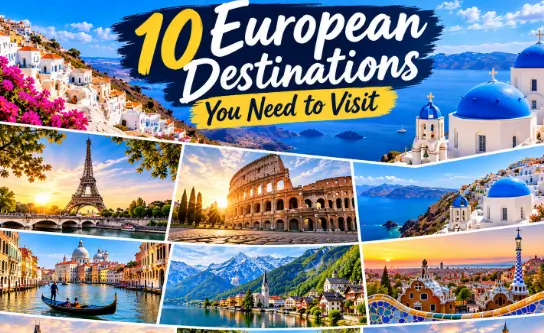
Europe is one of the most exciting regions in the world to explore, offering historic cities, beautiful coastlines, charming villages, dramatic mountain landscapes, and some of the world’s most celebrated cultural attractions. Whether you’re planning your first European holiday, a romantic getaway, a family vacation, or a budget-friendly adventure, there is a destination to match almost every travel style.
From the romantic streets of Paris to the sun-soaked beaches of Greece and the colorful waterfront neighborhoods of Portugal, choosing where to go can feel overwhelming. Each destination offers a different experience, and the best choice depends on your budget, travel dates, interests, and how much time you have.
In this guide, we’ll explore 10 of the best European destinations, what makes each one special, the attractions worth adding to your itinerary, and practical tips to help you plan your trip. You’ll also find accommodation guidance, estimated travel costs, and advice for making the most of your European adventure.
Quick Overview: The 10 European Destinations

1. Paris , France
Best for: Romance, museums, architecture, first-time visitors
Discover the Eiffel Tower, world-class museums, historic neighborhoods, and classic French cafés.

2. Rome , Italy
Best for: Ancient history, Italian food, culture
Explore the Colosseum, the Roman Forum, the Vatican area, and lively piazzas.

3. Barcelona , Spain
Best for: Architecture, beaches, food, nightlife
Combine Gaudí’s distinctive architecture with Mediterranean beaches and Catalan cuisine.

4. Lisbon , Portugal
Best for: Scenic neighborhoods, food, coastal day trips
Ride historic trams, enjoy panoramic viewpoints, and explore traditional Portuguese neighborhoods.

5. Amsterdam , Netherlands
Best for: Canals, museums, cycling, relaxed city breaks
Explore canal-side streets, art museums, independent shops, and neighborhoods best discovered on foot or by bicycle.

6. Prague , Czechia
Best for: Medieval architecture, history, value-conscious trips
Wander across Charles Bridge, explore Prague Castle, and admire the historic Old Town.

7. Vienna , Austria
Best for: Classical music, imperial palaces, cafés
Discover grand architecture, palace gardens, classical concerts, and traditional coffeehouses.

8. Santorini , Greece
Best for: Island scenery, sunsets, romantic escapes
Enjoy whitewashed villages, caldera views, volcanic landscapes, and seaside dining.

9. Interlaken , Switzerland
Best for: Mountain scenery, hiking, outdoor adventures
Use this Alpine resort town as a base for lakes, mountain excursions, and scenic rail journeys.

10. Dubrovnik , Croatia
Best for: Coastal scenery, historic streets, island excursions
Walk the famous city walls, explore the medieval Old Town, and enjoy views over the Adriatic Sea.
1. Paris, France: The Classic European City Break

Paris remains one of Europe’s most recognizable destinations, attracting visitors with its monumental architecture, renowned museums, stylish neighborhoods, and café culture. It is an excellent choice for first-time travelers who want to experience several sides of European history and city life in one trip.
Top things to do in Paris
- Visit the Eiffel Tower for panoramic views across the city.
- Explore the Louvre Museum, home to an extensive collection of art and historical objects.
- Walk through Montmartre and discover its artistic atmosphere.
- Stroll along the Seine and admire the city’s historic bridges.
- Spend time in neighborhood bakeries, cafés, and local markets.
Where to stay
First-time visitors can consider the Latin Quarter, Le Marais, or areas near major Métro stations. These neighborhoods offer different combinations of sightseeing access, restaurants, and local atmosphere. Compare accommodation prices and public transport connections before booking.
Best time to visit
April to June and September to October are attractive periods for sightseeing, although weather varies. Summer brings longer days and busy attractions, while winter can offer a quieter city experience.
Estimated daily budget: €100–€180 per person, excluding international flights, for a budget-conscious to mid-range trip. Accommodation choices and attraction tickets can change this considerably.
Image alt text: Eiffel Tower overlooking the Seine River in Paris, France, on a sunny day.
2. Rome, Italy: Ancient History and Italian Cuisine

Rome offers an extraordinary combination of ancient ruins, Renaissance art, religious landmarks, and everyday Italian life. Its historic center is ideal for travelers who enjoy exploring on foot, stopping for espresso, and discovering famous landmarks between meals.
Top things to do in Rome
- Tour the Colosseum and explore the nearby Roman Forum.
- Visit Vatican City to discover St. Peter’s Basilica and the Vatican Museums.
- See the Trevi Fountain and walk through the surrounding historic streets.
- Explore Trastevere for its narrow lanes, restaurants, and evening atmosphere.
- Sample Roman specialties such as cacio e pepe, carbonara, and supplì.
Where to stay
The Centro Storico is convenient for major sights, while Monti provides access to ancient landmarks and a lively neighborhood atmosphere. Trastevere is worth considering for restaurants and evening walks. Check walking distances carefully, since some streets are cobbled and not all accommodation has lifts.
Practical travel tip
Book popular archaeological sites and museums through their official ticketing channels when advance reservations are available. Rome’s official tourism information also explains the local accommodation tax, which varies by lodging category.
Turismo Roma
Estimated daily budget: €90–€170 per person, excluding international flights.
Image alt text: The ancient Colosseum in Rome, Italy, surrounded by historic Roman architecture.
3. Barcelona, Spain: Architecture, Beaches, and Mediterranean Life

Barcelona is a strong option for travelers who want a city holiday with access to the sea. Its distinctive architecture, lively food scene, shopping streets, and beaches create a varied itinerary without requiring long journeys between every attraction.
Top things to do in Barcelona
- Visit the Sagrada Família, Antoni Gaudí’s celebrated basilica.
- Explore Park Güell for colorful architectural details and city views.
- Wander through the Gothic Quarter and discover its historic squares.
- Relax at Barceloneta Beach when the weather is suitable.
- Try tapas, Catalan dishes, and fresh seafood.
Where to stay
The Eixample district is useful for architecture, restaurants, and transport connections. The Gothic Quarter suits travelers who prioritize historic streets, while Poblenou offers a different atmosphere near the coast.
Best time to visit
May, June, September, and early October often provide a useful balance of warm weather and sightseeing opportunities. July and August are popular and can be hot, crowded, and expensive.
Estimated daily budget: €95–€175 per person, excluding international flights.
Image alt text: The Sagrada Família basilica in Barcelona, Spain, with its distinctive architectural towers.
4. Lisbon, Portugal: Colorful Streets and Coastal Escapes

Lisbon is a welcoming destination for visitors interested in scenic viewpoints, historic neighborhoods, seafood, and relaxed city exploration. Its hills give the city beautiful panoramas, although comfortable walking shoes are essential.
Top things to do in Lisbon
- Explore Alfama’s winding streets and traditional buildings.
- Ride a historic tram where routes and conditions suit your itinerary.
- Visit Belém Tower and discover the area’s maritime heritage.
- Enjoy views over the Tagus River from a miradouro, or public viewpoint.
- Try pastéis de nata, grilled sardines when in season, and other Portuguese specialties.
Where to stay
Baixa and Chiado are convenient for central sightseeing, shopping, and restaurants. Alfama offers historic charm, while Avenida da Liberdade may appeal to travelers seeking major hotels and broad boulevards.
Lisbon also makes a useful base for a day trip to Sintra, known for its palaces and wooded hills. Allow time for transport and book popular attractions ahead when necessary.
Estimated daily budget: €65–€125 per person, excluding international flights.
Image alt text: A traditional yellow tram traveling through Lisbon’s historic streets.
5. Amsterdam, Netherlands: Canals, Art, and Cycling

6 Amsterdam is known for its canals, narrow historic houses, museums, and cycling culture. It works particularly well for a three- or four-day city break, with many central sights connected by walkable streets and public transport.
Top things to do in Amsterdam
- Take a canal cruise to see the historic city from the water.
- Visit the Rijksmuseum for Dutch art and history.
- Explore the Van Gogh Museum if you enjoy the artist’s work.
- Visit the Anne Frank House if tickets are available for your dates.
- Discover local cafés, markets, and quieter neighborhoods beyond the busiest canals.
Where to stay
The canal belt is attractive for a classic Amsterdam experience. De Pijp offers restaurants and markets, while Amsterdam Noord can provide another option for accommodation with ferry connections to the center.
Accommodation costs can be substantial. Amsterdam also charges a tourist tax calculated as a percentage of the overnight price, so check the total amount rather than comparing advertised room rates alone.
City of Amsterdam
Estimated daily budget: €110–€200 per person, excluding international flights.
Image alt text: Traditional Amsterdam canal houses and bicycles beside a bridge in the Netherlands.
6. Prague, Czechia: Medieval Streets and Historic Charm

Prague combines a beautifully preserved historic center with striking Gothic, Baroque, and Renaissance architecture. It is often worth considering for travelers seeking a European city break with excellent walking routes and a different atmosphere from the major Western European capitals.
Top things to do in Prague
- Cross Charles Bridge early in the morning for a quieter experience.
- Explore Prague Castle and the surrounding historic district.
- See the Astronomical Clock in Old Town Square.
- Walk along the Vltava River and admire the city’s bridges.
- Visit traditional cafés and sample Czech cuisine.
Where to stay
Old Town is ideal for easy access to major sights, although it can be busy. Malá Strana offers historic surroundings, while Vinohrady is worth considering for cafés, restaurants, and a more residential feel.
Prague is not automatically cheap in every category. Hotels in the center and popular dates can be expensive, so compare properties in nearby neighborhoods connected by public transport.
Estimated daily budget: €60–€115 per person, excluding international flights.
Image alt text: Charles Bridge crossing the Vltava River with Prague’s historic skyline in the background.
7. Vienna, Austria: Imperial Architecture and Classical Music

Vienna offers an elegant blend of imperial history, classical music, museums, and traditional coffeehouses. Its organized public transport system makes it a practical choice for travelers who prefer comfortable city exploration.
Top things to do in Vienna
- Tour Schönbrunn Palace and its gardens.
- Visit St. Stephen’s Cathedral in the city center.
- Explore the museums and galleries around the Hofburg area.
- Attend a classical music performance if it fits your interests and budget.
- Take a break at a traditional Viennese coffeehouse and try a slice of Sachertorte.
Where to stay
The Innere Stadt is convenient for central attractions but generally comes at a premium. The districts just outside the historic core can offer better value while remaining well connected by public transport.
Best time to visit
Late spring and early autumn are pleasant for walking and sightseeing. December is popular for Christmas markets, but festive accommodation should be booked well in advance.
Estimated daily budget: €90–€160 per person, excluding international flights.
Image alt text: Schönbrunn Palace in Vienna, Austria, with formal gardens stretching toward the palace.
8. Santorini, Greece: Whitewashed Villages and Aegean Views

Santorini is one of Europe’s most recognizable island destinations, famous for its whitewashed buildings, blue-domed churches, volcanic scenery, and sunsets over the Aegean Sea. It is particularly appealing to couples, photographers, and travelers looking for a scenic island escape.
Top things to do in Santorini
- Explore Oia and its narrow lanes.
- Walk around Fira for caldera views, shops, and restaurants.
- Visit archaeological sites such as Akrotiri.
- Discover the island’s volcanic beaches and coastal landscapes.
- Enjoy a boat excursion around the caldera, checking departure conditions and inclusions before booking.
Where to stay
Oia and Imerovigli are popular for dramatic caldera views, but these locations can be expensive. Fira offers a central base with transport connections, while villages away from the caldera may suit travelers who prioritize affordability.
Santorini is not the best choice for every budget. Accommodation overlooking the caldera, private pools, and peak-season travel can raise costs substantially. Check the total price, cancellation policy, and distance to bus stops before booking.
Best time to visit: May, June, September, and early October are worth considering for a balance of weather and visitor numbers.
Estimated daily budget: €100–€220 per person, excluding international flights and inter-island travel.
Image alt text: Whitewashed buildings and blue-domed churches overlooking the Aegean Sea in Oia, Santorini.
9. Interlaken, Switzerland: Alpine Mountains and Outdoor Adventures

Interlaken sits between Lake Thun and Lake Brienz in the Bernese Oberland, making it an appealing base for exploring Switzerland’s Alpine scenery. Visitors come for mountain excursions, lakeside activities, hiking, and scenic rail journeys.
Top things to do around Interlaken
- Walk around the town and enjoy views toward the surrounding mountains.
- Take a boat trip on Lake Brienz or Lake Thun when services are operating.
- Visit Lauterbrunnen for waterfalls and dramatic cliffs.
- Consider a mountain excursion to the Jungfrau region, after checking ticket costs and weather.
- Explore marked hiking trails appropriate for your fitness and experience level.
Where to stay
Interlaken is convenient for transport connections, shops, and restaurants. Lauterbrunnen and nearby villages offer a closer connection to mountain landscapes, although transport schedules and accommodation prices need careful consideration.
Switzerland is generally one of the more expensive European destinations. Mountain railways, cable cars, and organized activities can add considerably to your daily spending. You can control costs by selecting a smaller number of paid excursions, booking suitable accommodation early, and comparing transport passes against your planned journeys.
Best time to visit: June to September is popular for hiking and outdoor activities. Winter attracts visitors interested in snow sports, subject to local conditions.
Estimated daily budget: CHF 130–250 per person, excluding international flights. This is a planning estimate, not a quoted package price.
Image alt text: Turquoise Lake Brienz surrounded by green hills and the Swiss Alps near Interlaken.
10. Dubrovnik, Croatia: Historic Walls and Adriatic Coastline

4
Dubrovnik combines a remarkable historic center with clear Adriatic waters and coastal scenery. Its stone streets, medieval walls, terracotta rooftops, and nearby islands make it a memorable destination for history enthusiasts and travelers who enjoy combining culture with time by the sea.
Top things to do in Dubrovnik
- Walk the historic city walls for views over the Old Town and coastline.
- Explore the limestone streets of the Old Town and its historic squares.
- Ride the cable car when operating conditions allow for panoramic views.
- Take a boat trip to nearby islands such as Lokrum Island.
- Spend time along the coast and discover swimming spots during suitable weather.
Where to stay
Staying inside or close to the Old Town makes sightseeing easy, but prices can be higher and some properties require navigating steps or steep streets. Areas outside the historic center may provide better value, particularly if they have reliable bus connections.
Practical travel advice
Dubrovnik can become very busy during the summer. Visit the city walls early in the day, compare accommodation options before committing, and check whether your property is accessible with your luggage. If you plan to visit other Croatian destinations, compare ferry and bus schedules before deciding whether to rent a car.
Best time to visit: May, June, September, and early October are attractive for a combination of sightseeing and coastal activities, depending on the weather.
Estimated daily budget: €75–€150 per person, excluding international flights and major excursions.
Image alt text: Terracotta rooftops and medieval stone buildings overlooking the Adriatic Sea in Dubrovnik, Croatia.
How to Choose the Best European Destination for Your Trip
Not every destination suits every traveler. Use the following comparison to narrow down your options.
| Your travel priority | Destinations to consider |
|---|---|
| First trip to Europe | Paris, Rome, Barcelona |
| Romantic getaway | Paris, Santorini, Dubrovnik |
| Art, museums, and history | Rome, Paris, Vienna, Prague |
| Beaches and coastal scenery | Barcelona, Santorini, Dubrovnik |
| Mountain scenery and hiking | Interlaken |
| Budget-conscious city break | Prague, Lisbon |
| Cycling and canal-side culture | Amsterdam |
| Classical music and elegant cafés | Vienna |
| Food and local culture | Rome, Lisbon, Barcelona |
These are general recommendations rather than rankings. Your ideal destination will also depend on flight prices, accommodation availability, weather, mobility needs, and the kind of activities you enjoy.
How Much Does a European Trip Cost?
European travel costs vary significantly by country, season, accommodation type, and travel style. The following figures are estimated daily budgets per person, intended for preliminary planning rather than as live prices.
| Destination | Estimated daily budget |
|---|---|
| Paris | €100–€180 |
| Rome | €90–€170 |
| Barcelona | €95–€175 |
| Lisbon | €65–€125 |
| Amsterdam | €110–€200 |
| Prague | €60–€115 |
| Vienna | €90–€160 |
| Santorini | €100–€220 |
| Interlaken | CHF 130–250 |
| Dubrovnik | €75–€150 |
These estimates cover typical accommodation, food, local transportation, and some sightseeing for a budget-conscious or mid-range traveler. They exclude international flights, major shopping, and expensive optional experiences. They are not guarantees of what a trip will cost.
To build a realistic budget:
- Accommodation: Compare the total price for your dates, including mandatory taxes and fees.
- Food: Mix restaurant meals with bakeries, supermarkets, or casual local eateries.
- Transport: Compare public transport, regional trains, and advance tickets where available.
- Attractions: Prioritize a few must-see experiences instead of paying for every available tour.
- Travel insurance: Include appropriate coverage for your circumstances and itinerary.
- Contingency: Keep extra funds for unexpected costs, delays, and itinerary changes.
For accommodation research, compare properties on Booking.com and verify the final price, location, cancellation terms, and guest requirements before purchasing. If an affiliate link is used, disclose the commercial relationship clearly.
How to Plan a European Vacation: A Beginner’s Guide
1. Choose the right number of destinations
For a first trip of seven to ten days, two or three destinations are usually more manageable than attempting to visit all ten. Every change of city involves packing, transfers, check-in, and travel time.
For example, you could combine Paris and Rome for a classic cultural trip, or Lisbon and Barcelona for a mix of urban sightseeing and coastal experiences.
2. Check entry requirements before booking
Visa and entry rules depend on your nationality, residence status, destination, and travel dates. Check the official immigration or consular information for every country on your itinerary before paying for non-refundable arrangements.
Travelers visiting several Schengen countries should understand the rules for the Schengen Area, including permitted stay limits where applicable. Do not assume that entry permission for one country automatically covers every part of a wider itinerary.
3. Choose the best season for your interests
- Spring: Good for city sightseeing, gardens, and generally milder weather.
- Summer: Longer days and beach opportunities, but higher demand in many destinations.
- Autumn: Often attractive for walking, cultural attractions, and shoulder-season travel.
- Winter: Ideal for Christmas markets, museums, and snow-related activities in suitable regions.
Weather, opening hours, and seasonal transport schedules vary by destination.
4. Book important attractions and accommodation
Reserve popular sights when advance booking is available, especially for fixed-date activities. Before booking a hotel or apartment, examine its location on a map and check public transport connections, luggage access, check-in arrangements, and cancellation conditions.
5. Compare transportation options
Trains can be convenient for many city-to-city journeys, while buses may offer a lower-cost alternative. Flights can make sense for longer distances, but account for airport transfers, baggage fees, and time spent checking in.
Use a route planner to compare the full journey rather than only the ticket price.
Frequently Asked Questions About Traveling in Europe
1. What are the best European destinations for first-time visitors?
Paris, Rome, Barcelona, Lisbon, and Amsterdam are excellent starting points because they offer recognizable landmarks, cultural attractions, and established visitor infrastructure. The best choice depends on your interests and budget.
2. What is the cheapest European destination on this list?
Prague and Lisbon are worth comparing for budget-conscious travel. Actual costs depend on season, accommodation availability, flight prices, and how you spend your days.
3. How many days do you need to explore Europe?
Seven to ten days can work well for two or three destinations. For a slower trip with more time for museums, day trips, and local neighborhoods, consider two weeks or longer.
4. What is the best time to visit Europe?
Spring and early autumn are often attractive for sightseeing. Summer suits many beach holidays and mountain activities, while winter is appealing for seasonal markets and winter sports.
5. Which European destination is best for couples?
Paris and Santorini are popular for romantic scenery, while Dubrovnik offers historic streets and coastal views. Couples interested in mountain landscapes may prefer Interlaken.
6. Is Europe expensive to visit?
Costs vary widely. Switzerland, Amsterdam, and Paris can require larger budgets, while Prague and Lisbon may offer more affordable options for some travelers. Accommodation and transport often make a significant difference.
7. Should I book European hotels in advance?
Booking ahead is advisable for popular destinations, peak travel dates, and properties with limited availability. Compare cancellation policies and total prices before confirming.
8. Do I need a visa to travel to Europe?
Visa requirements depend on your passport, residence status, destination, and travel dates. Check the relevant official government sources before booking.
9. Can I visit several European countries on one trip?
Yes. International trains, buses, and flights connect many European destinations. However, allow enough time for transfers and check border and entry requirements for your nationality.
10. How can I find good accommodation deals in Europe?
Compare multiple properties in suitable neighborhoods, check the total cost including taxes, and read recent guest feedback. Booking early and traveling outside peak periods may improve your options, although savings are not guaranteed.
Final Travel Recommendation
Europe offers something for almost every type of traveler, from the historic streets of Rome and Prague to the Mediterranean coastlines of Barcelona, Santorini, and Dubrovnik.
For a first European vacation, choose two or three destinations that fit your interests, budget, and available time rather than trying to cover too much. Compare accommodation options before committing, reserve essential attractions where appropriate, and leave room for spontaneous discoveries.
Ready to plan your trip? Compare accommodation options, explore local tours, and check transport arrangements before choosing your final itinerary.